The Collapse Before The Fall
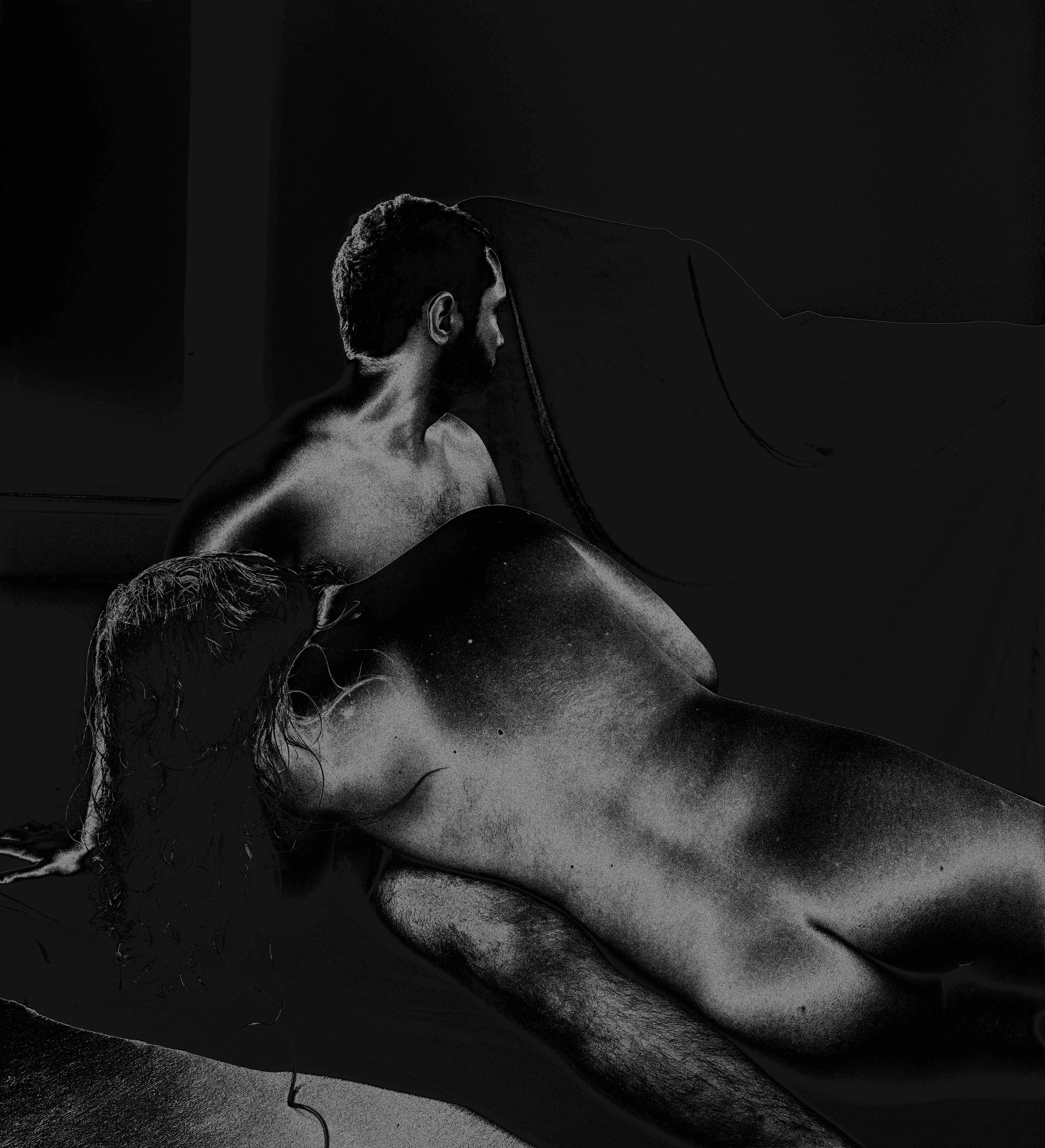
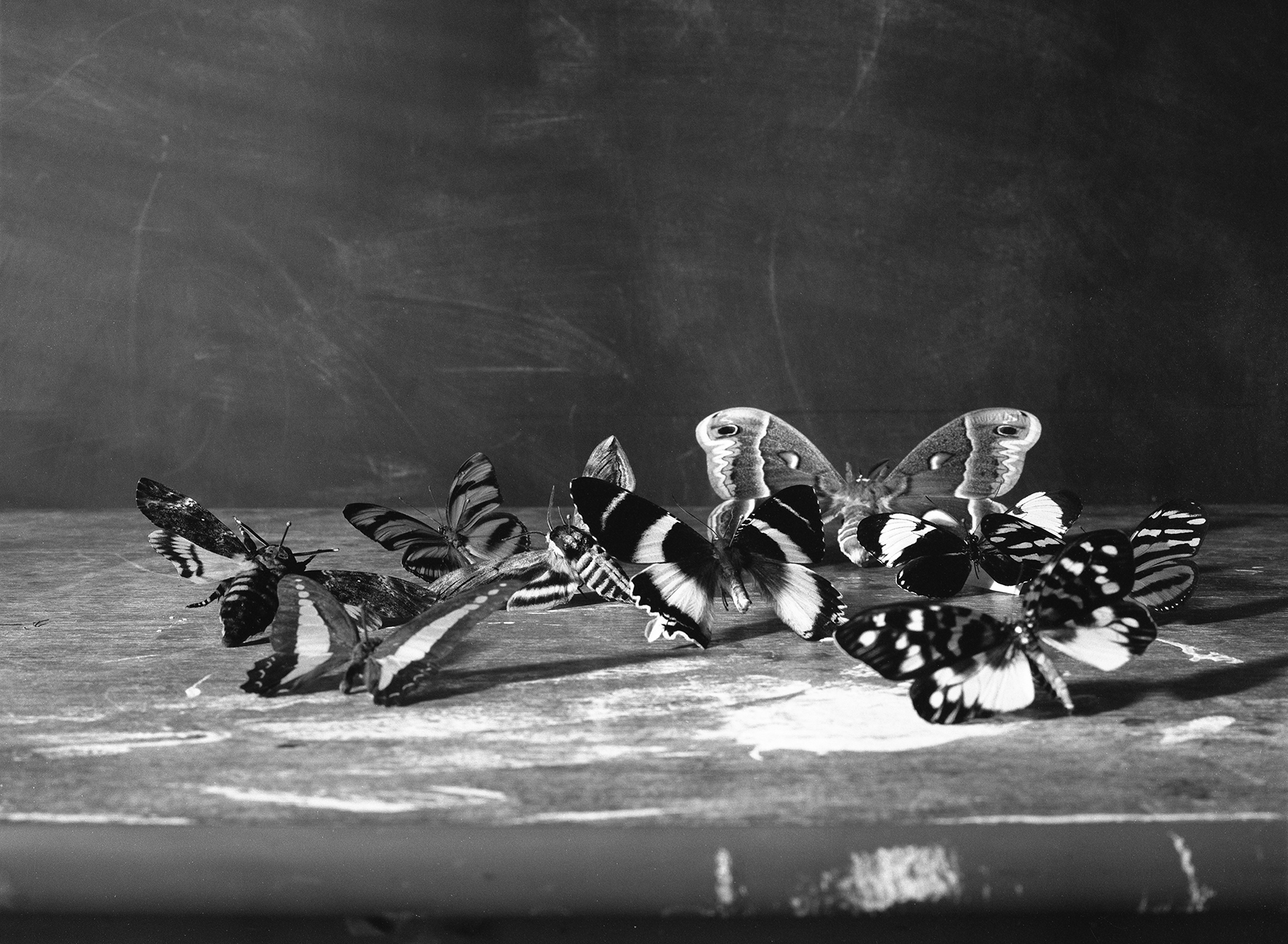
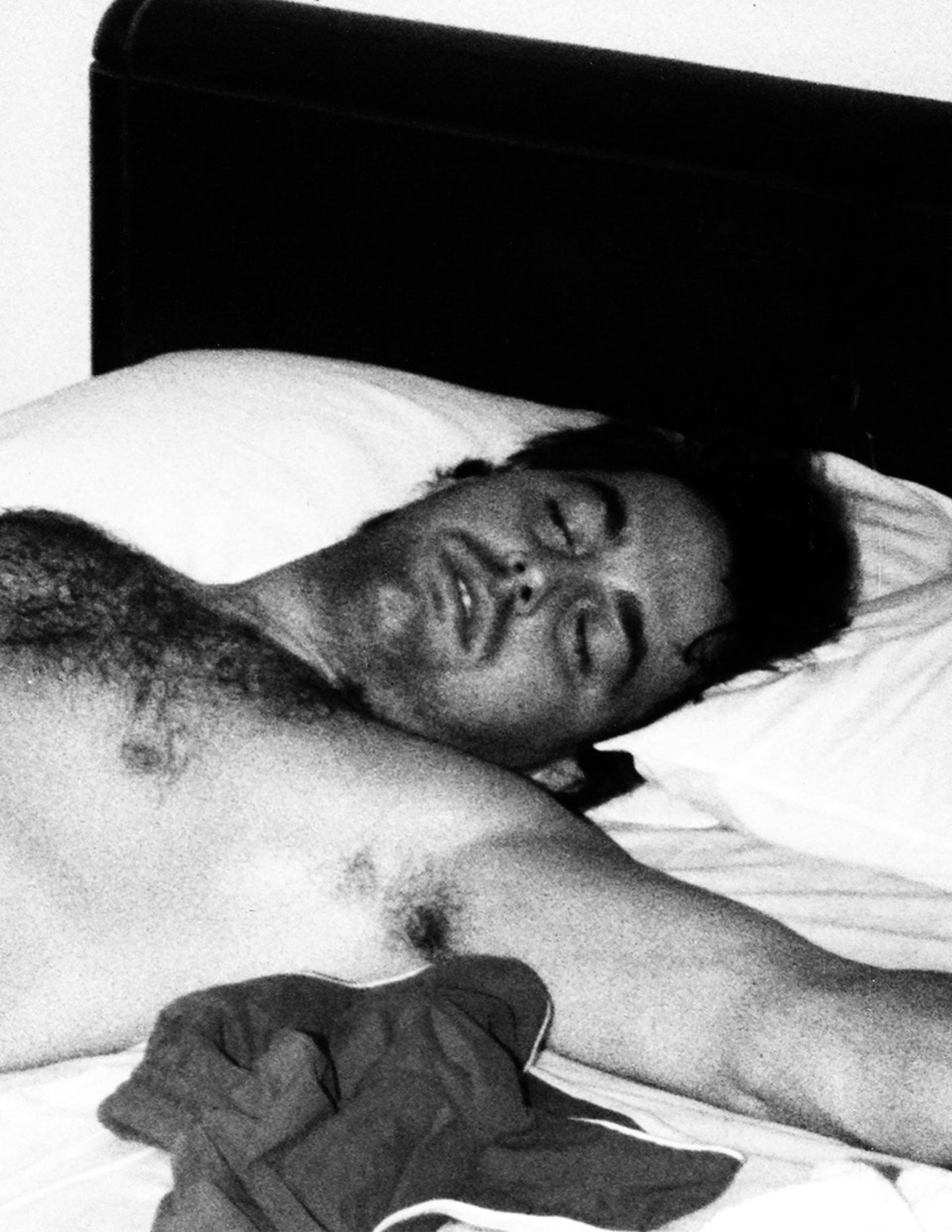
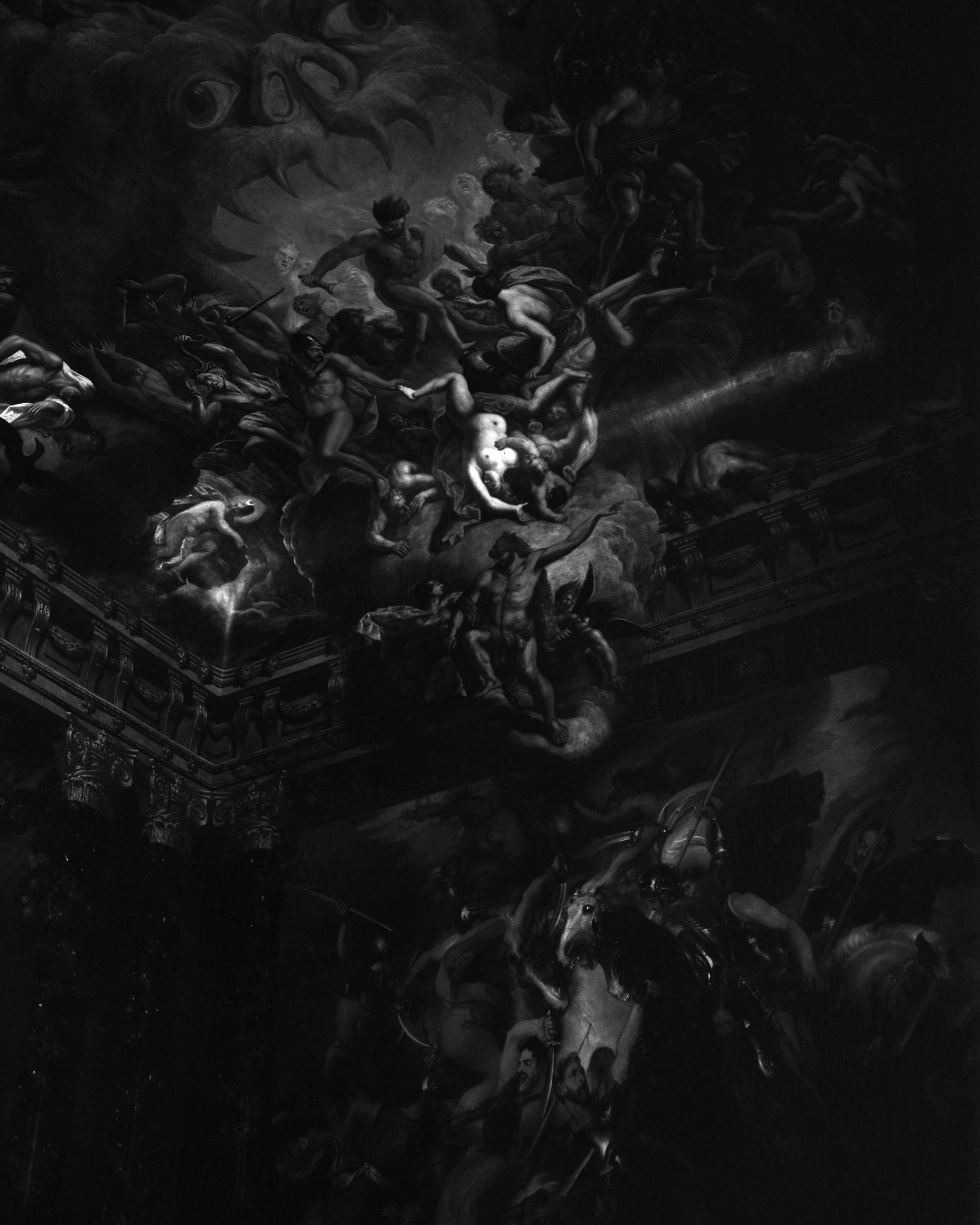
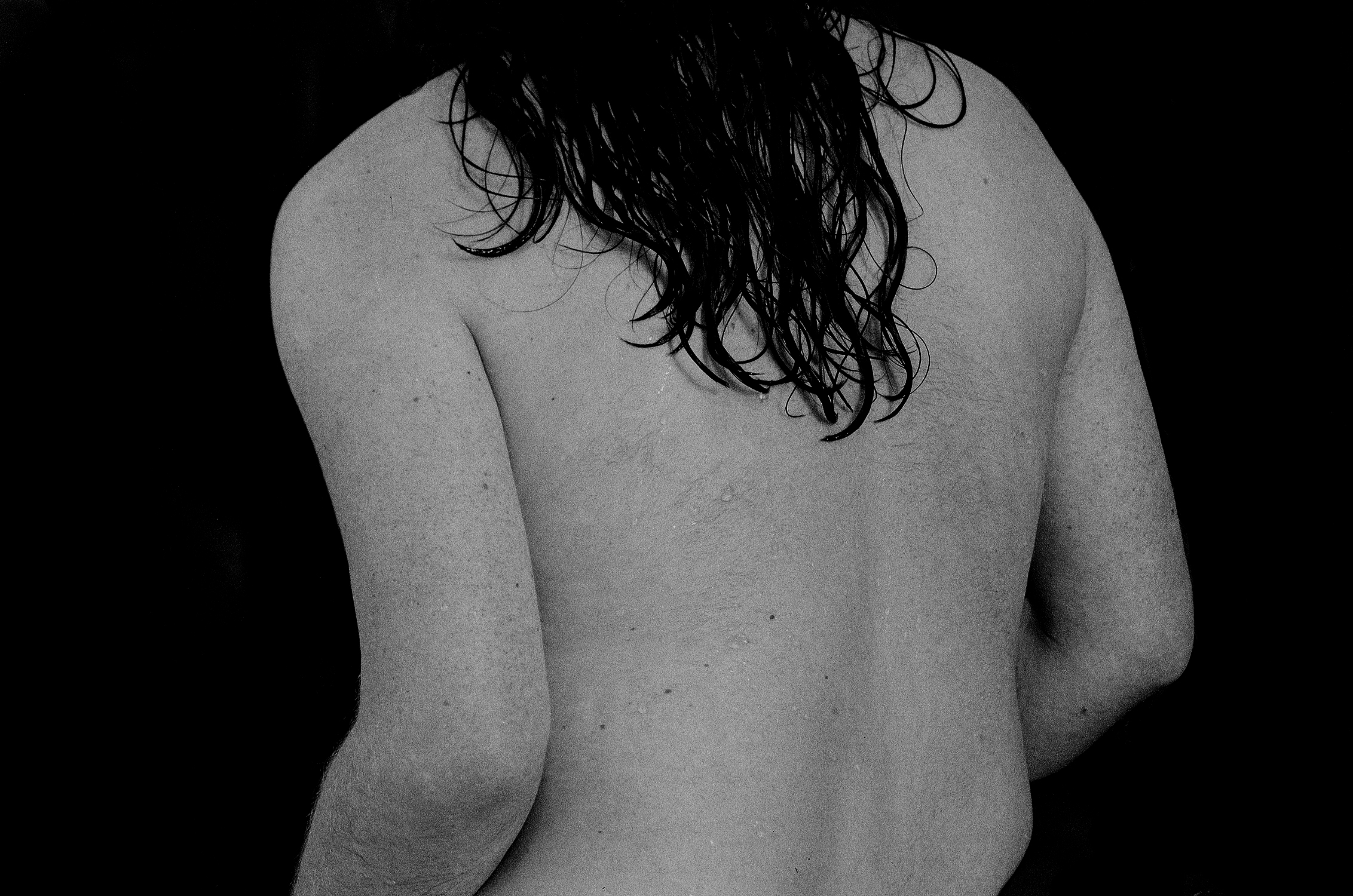
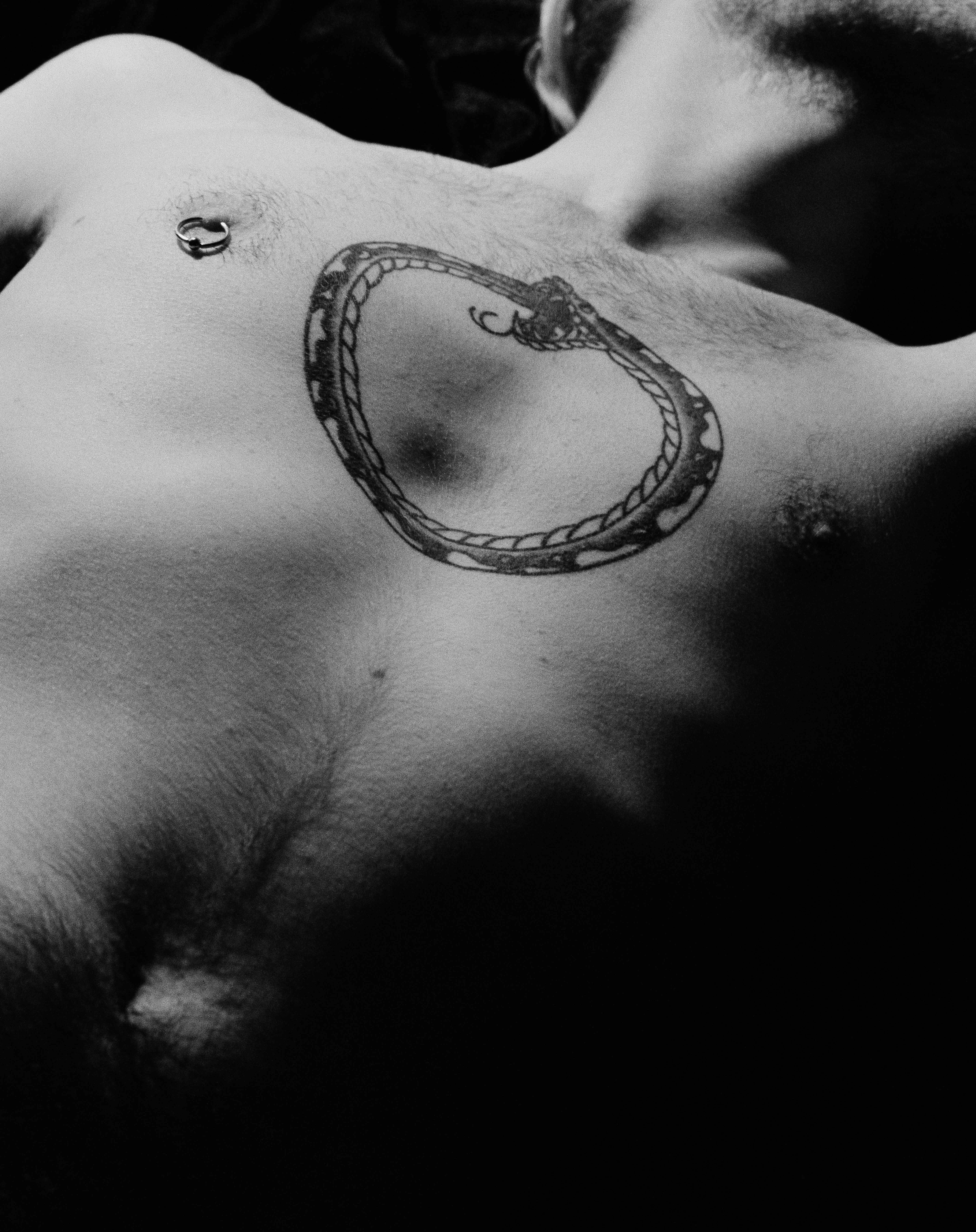
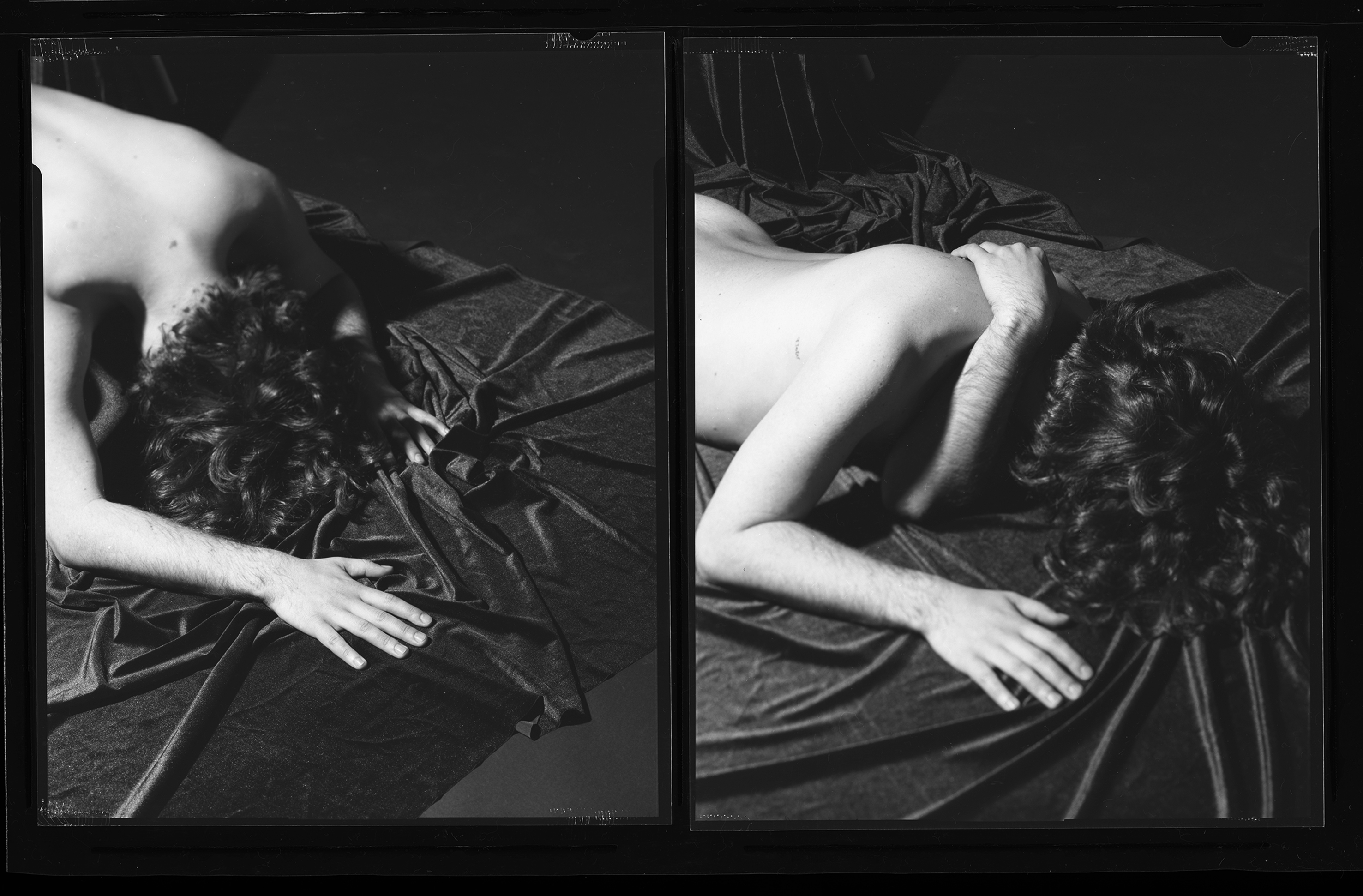
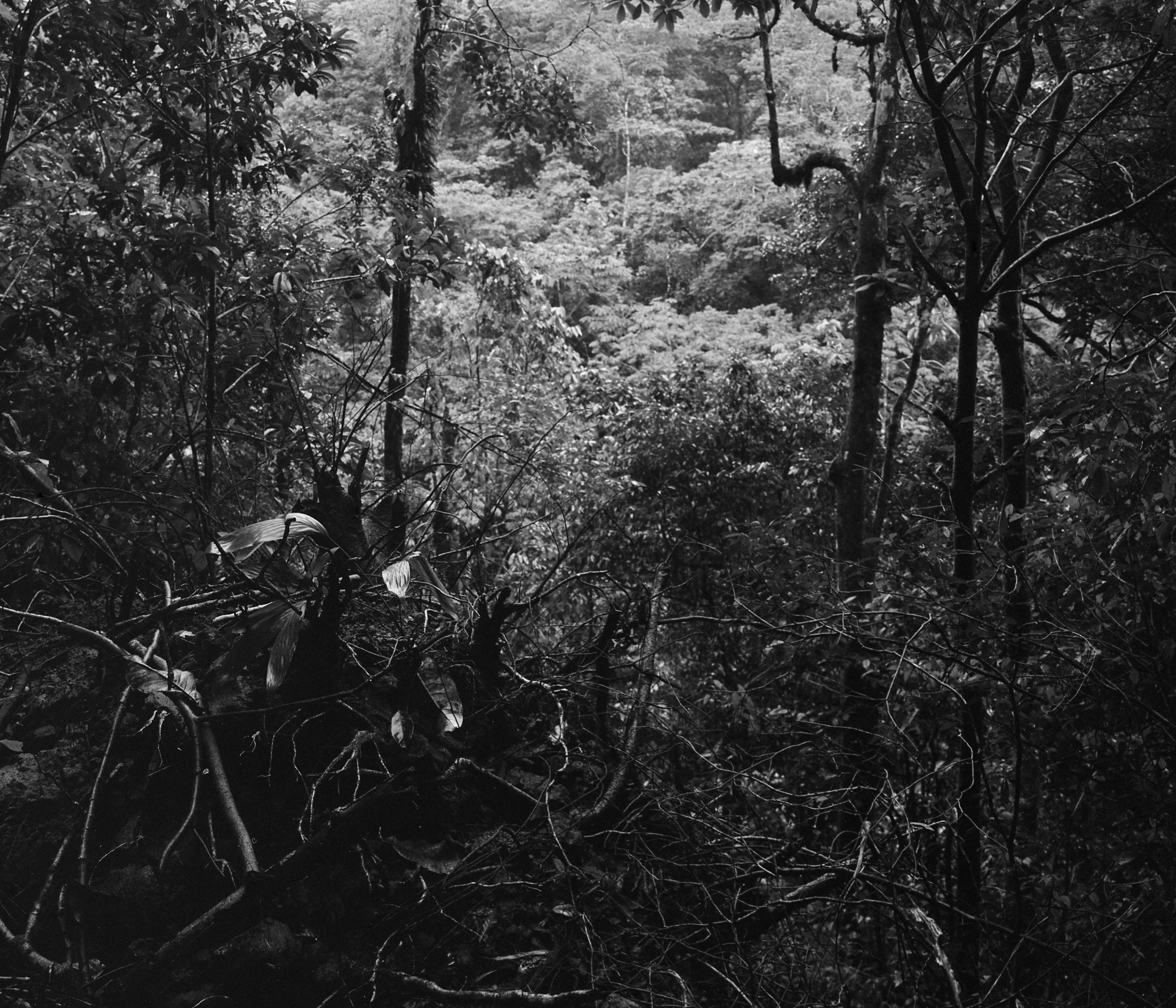
Surfacing from a place of both fear and intrigue, this work focuses on autobiography, traces of personal failure and the photographic. Through distilling images, by reworking them through alternative processes, these photographs investigate the use of metaphor, the collapse of masculinity and the potential to overcome shame. Visibility is shifted and veiled, through the physical deterioration of the photograph and the slow death of the image. Subjects both pull out of the darkness and are lost within it.
Moving between thoughts on the night, shame and the queer image, this research considers ideas of abjection, the fallen male figure and the apologetic. The notion of fixity has been crucial in terms of both the physicality of the works along with the concept of paralysis (or more so, the third stage of human decomposition; rigor mortis). The stiffening feeling of shame and Gershen Kaufman’s perception of shame being the ‘fear of self-exposure’ have resulted in this language echoing through to the darkroom. Solarisation has transformed some of these latent images (the process whereby the prints have exposure to light again), rendering a poetic analogy to marginal spaces, to being on the edge, being between states and the space of the night too.
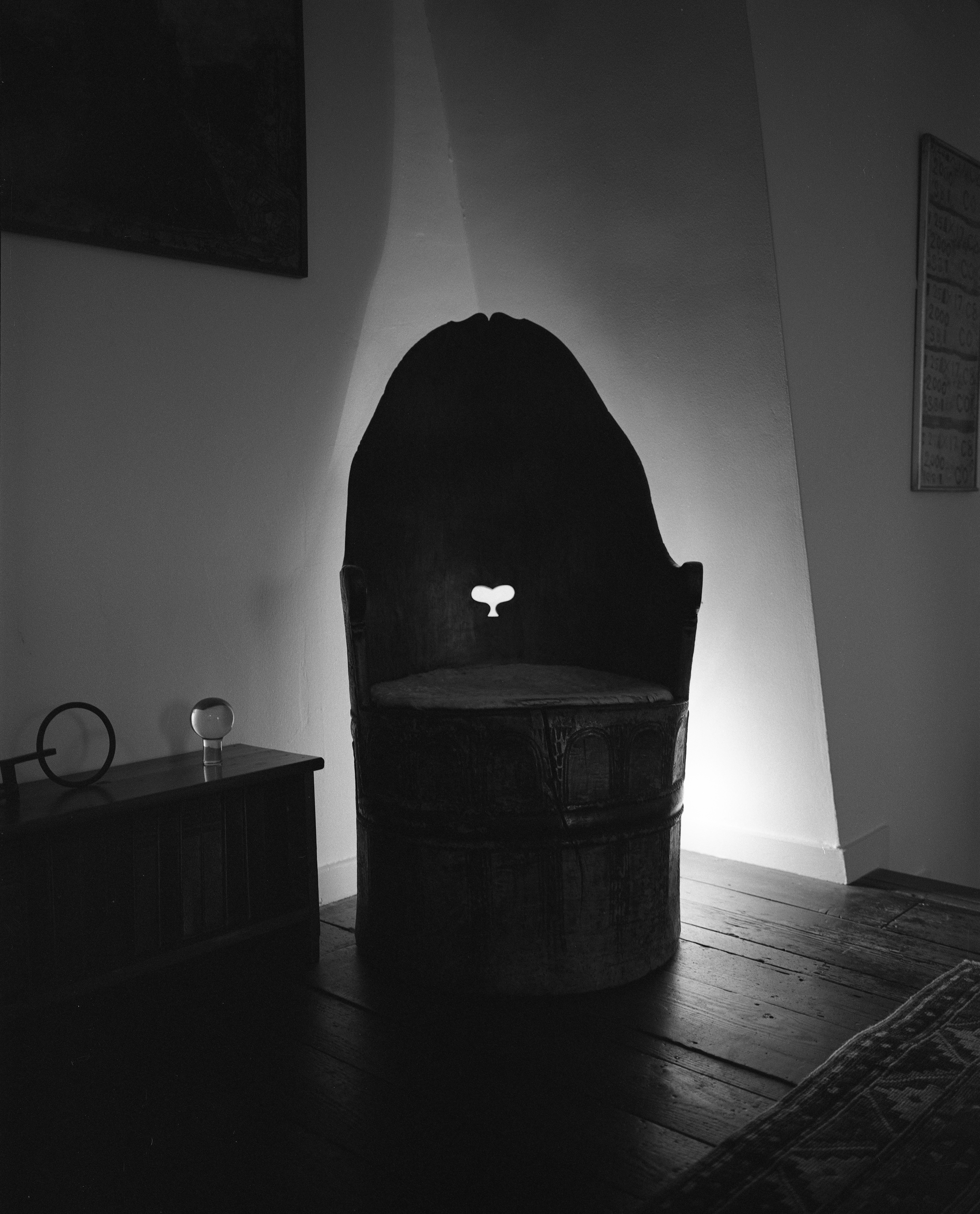
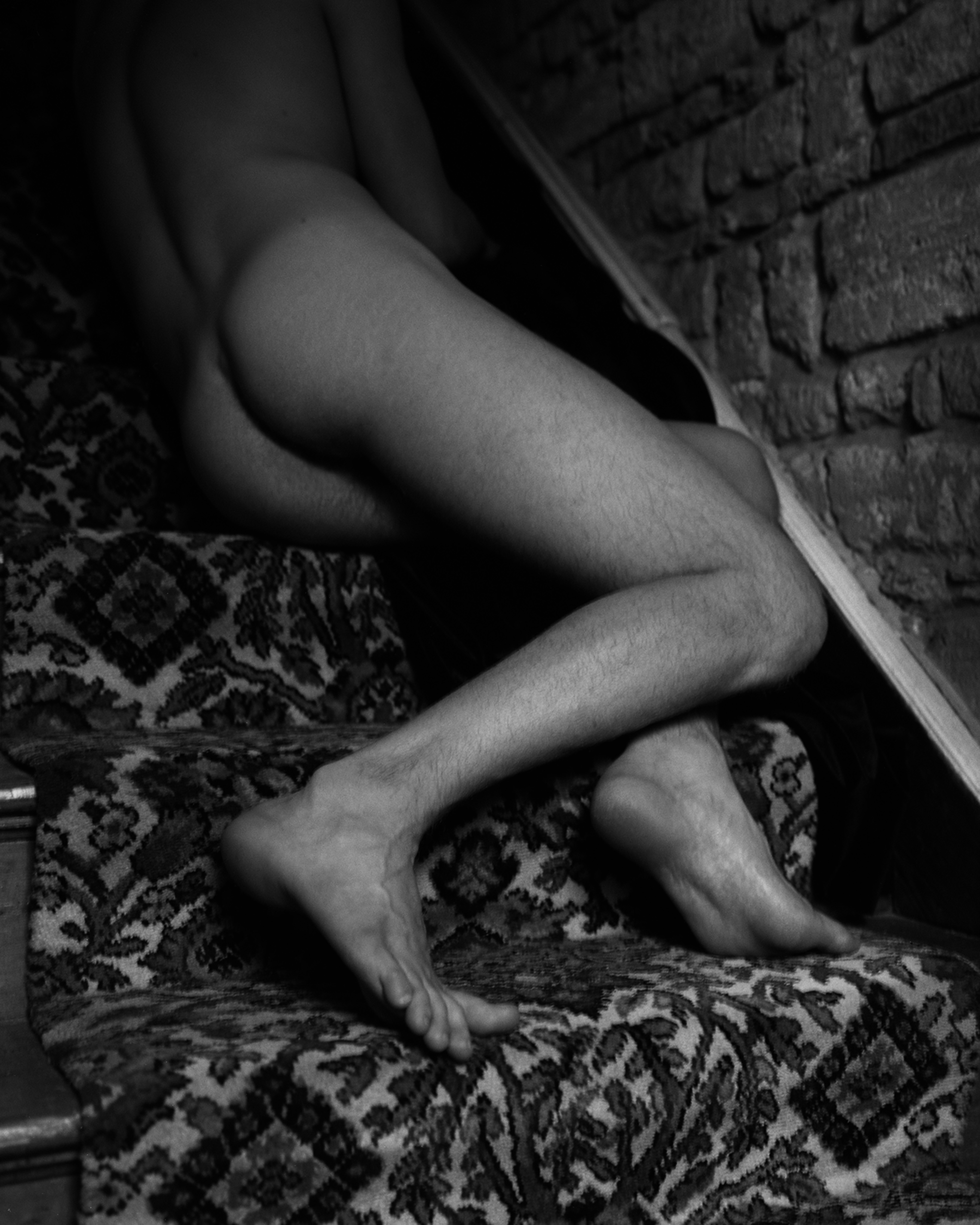
Experimenting with the body, the still-life and interior spaces the limitations of the photographic image are revealed. The possibility of failure is embedded in the process and becomes a driving force in the work. The photographs seek to harness an agency, where the self-reflexive nature of the work, uncovers a deeper analysis of shame through visual correspondence, scale and the play between private and public interaction. Photography here stands in as a visceral medium and suggests an exchange between the image and the observer.
Moving between thoughts on the night, shame and the queer image, this research considers ideas of abjection, the fallen male figure and the apologetic. The notion of fixity has been crucial in terms of both the physicality of the works along with the concept of paralysis (or more so, the third stage of human decomposition; rigor mortis). The stiffening feeling of shame and Gershen Kaufman’s perception of shame being the ‘fear of self-exposure’ have resulted in this language echoing through to the darkroom. Solarisation has transformed some of these latent images (the process whereby the prints have exposure to light again), rendering a poetic analogy to marginal spaces, to being on the edge, being between states and the space of the night too.
Experimenting with the body, the still-life and interior spaces the limitations of the photographic image are revealed. The possibility of failure is embedded in the process and becomes a driving force in the work. The photographs seek to harness an agency, where the self-reflexive nature of the work, uncovers a deeper analysis of shame through visual correspondence, scale and the play between private and public interaction. Photography here stands in as a visceral medium and suggests an exchange between the image and the observer.